
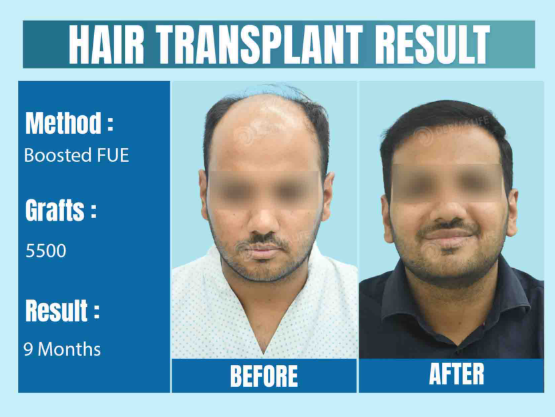
A hair transplant is a scientific and artistic process requiring accuracy and caution. To achieve optimal results, it is crucial that you adhere to all post-operative care guidelines correctly. The recovery and healing period following the process is critical and plays an important role in the final result.
In this blog, you’ll find simple and clear guidelines for taking care of your hair after a hair transplant.
How Does Hair Transplant Recovery Progress?
After a hair transplant, it usually takes around three months for the new follicles to fully settle and start growing on their own. In the beginning, the new hair may look coarse or uneven, but with time it becomes thicker and natural.
Most of the patients experience good hair growth at about ten months post-procedure.
All patients, however, heal differently. If your hair is taking more than ten months to grow, don’t panic — it won’t mean that your surgery has failed. You can always contact Dr. Gaurav Garg, one of the best hair transplant surgeons in India, for complimentary follow-ups or in case you have a query after the procedure.
Remedies to Take After a Hair Transplant
- Keep the Transplanted Area Moist
Your doctor will give you products that you’ll need to keep the transplanted area hydrated. You’ll have to spray with a salt solution or put on an ointment such as Aquaphor to avoid drying out the new grafts.
- Gentle Hair Washing
After one or two days, begin washing your hair gently by hand. Reduce the pressure of the water while showering — do not have water directly hit your scalp. Gently clean your hair with a mild shampoo and warm cup of water.
- Sleep in a Slightly Raised Position
Following a hair transplant, sleep with your head raised to minimize swelling and guard the grafts. During the initial 48 hours, sleep in an elevated position at around a 45-degree angle rather than in a flat position.
- Manage Swelling and Discomfort
Gently wash your hair to minimize itching and scabbing. Sleeping upright for the first three nights also prevents swelling and enables fluid to drain naturally downward.
- Steer Clear of Heavy Exercise
Steer clear of strenuous exercise or physical exertion for a minimum of one week after your Delhi hair transplant. Take light walks and stretch. After 7–10 days, gradually resume your regular exercises. Sweating won’t hurt the new grafts, but excessive activity will bring more swelling and discomfort.
Safety Precautions After a Hair Transplant
- Don’t Color Your Hair Too Soon
Avoid dying your hair for at least four weeks after the hair transplant surgery in Delhi. If necessary, you can dye your hair shortly before the procedure — that’s absolutely fine. But dyeing your hair immediately after surgery can damage the transplanted hair because of the harsh chemicals.
- Avoid Sun Exposure
For the initial two weeks, avoid direct sunlight exposure to your scalp. If you must go out, cover your scalp with a loose hat or apply sunscreen to your scalp. Do not engage in prolonged outdoor activities or swim to avoid irritation or sunburn.
In Summary
By adhering to these easy aftercare measures, you can ensure healthy and natural hair growth. Always strictly adhere to your doctor’s post-transplant aftercare guidelines since they might differ from individual to individual.
If you’re searching for a hair transplant doctor in Delhi who can be trusted, Dr. Gaurav Garg of Dermalife Skin and Hair Clinic is the reliable and skilled option.
