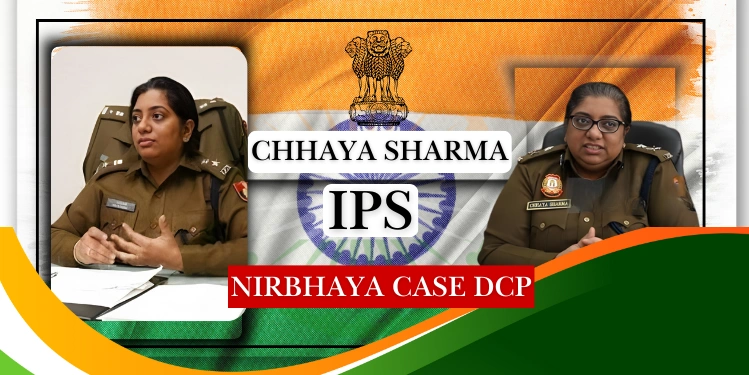
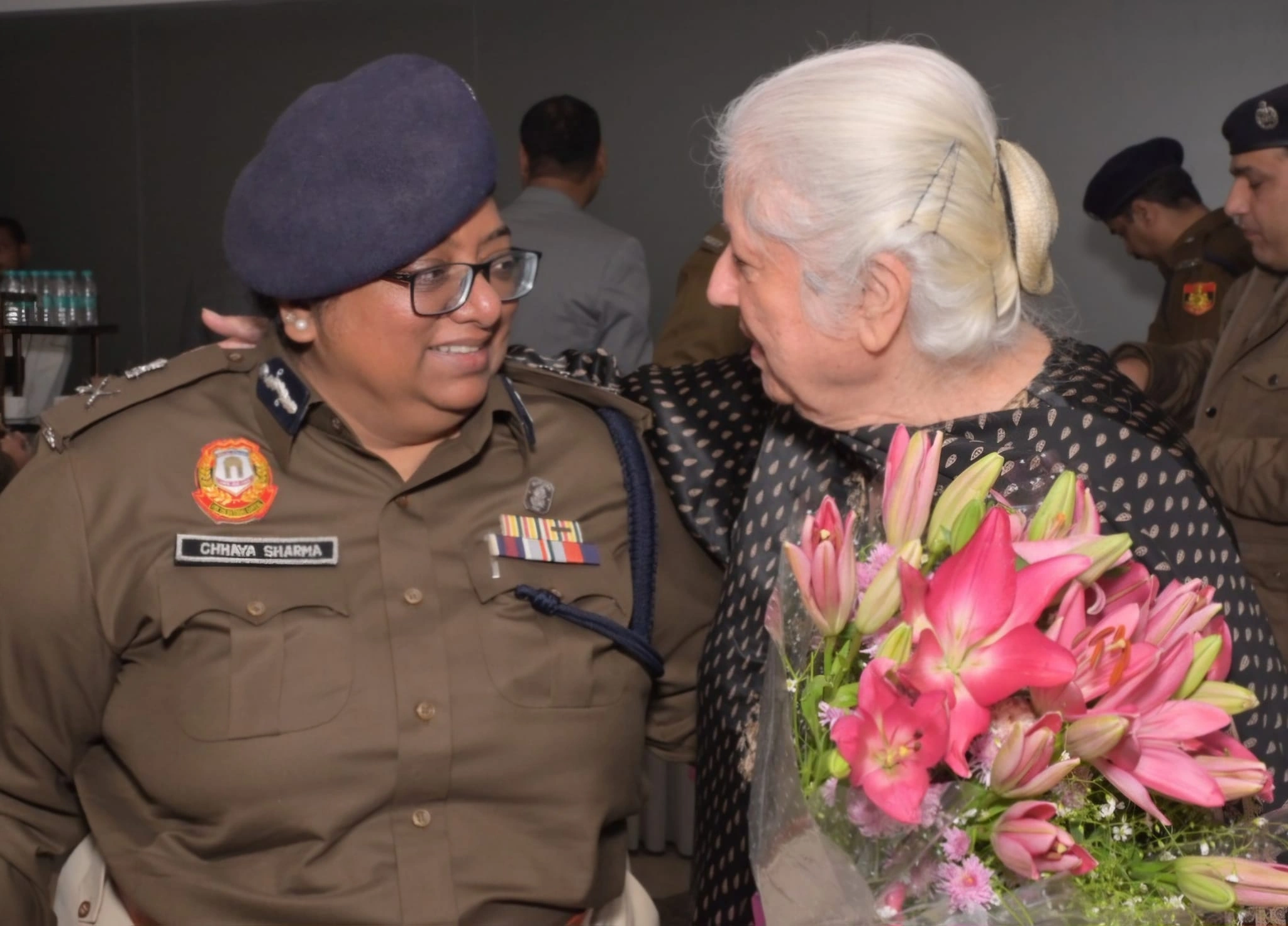
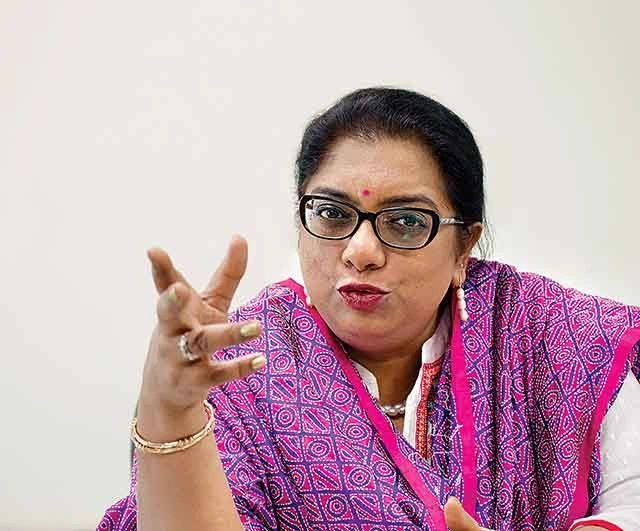
Chhaya Sharma IPS is a renowned Indian Police Service officer whose name has become synonymous with courage, justice, and transformative leadership in Indian policing. Chhaya Sharma IPS led some of the most sensitive and high-profile investigations in India’s recent history, including the landmark Nirbhaya case that shook the nation and sparked widespread reforms in women’s safety and criminal justice.
As an inspiring figure, Chhaya Sharma IPS continues to motivate UPSC aspirants and young officers through her dedication to integrity and empathy. The journey of Chhaya Sharma IPS exemplifies how determination and compassion can drive systemic change.
QUICK FACTS SUMMARY TABLE
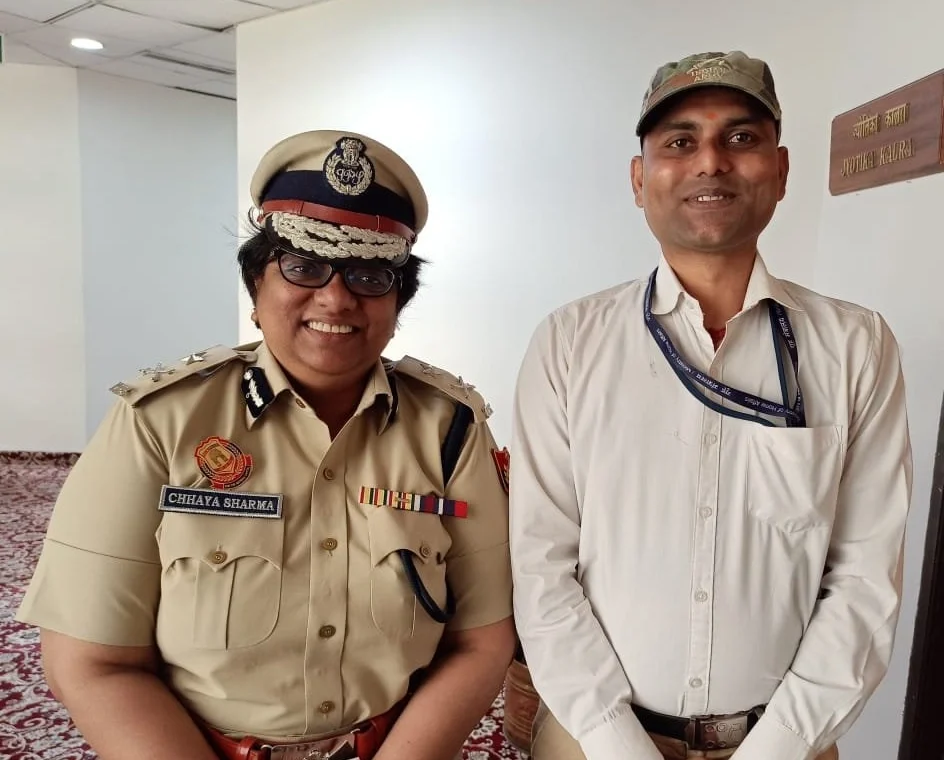
| Field | Details |
|---|---|
| Full Name | Chhaya Sharma |
| Current Rank | Inspector General (IG) & Director |
| Current Position | Bureau of Police Research & Development (BPR&D) |
| IPS Batch | 1999 |
| Cadre | AGMUT (Arunachal Pradesh, Goa, Mizoram and Union Territories) |
| Educational Qualification | B.Com (Honours), Economics – University of Delhi |
| Birthplace | Delhi, India |
| Nationality | Indian |
| Most Notable Case | Nirbhaya Case Investigation (2012) |
| Key Achievement | First Indian Police Officer to receive McCain Award |
| Ministry | Ministry of Home Affairs (MHA), Government of India |
| Known For | Women’s Safety, Crime Investigation, Human Rights |
| Social Media | Twitter: @mschhayasharma |
PERSONAL INFORMATION
Full Biographical Details
Name: Chhaya Sharma IPS
Full Designation: Inspector General & Director, Bureau of Police Research & Development
IPS Officer Status: 1999 Batch AGMUT Cadre
Birthplace: New Delhi, India
Nationality: Indian
Current Residence: New Delhi, India
Educational Credentials
- Bachelor of Commerce (Honours): University of Delhi
- Specialization: Economics
- Academic Achievement: Graduate from prestigious University of Delhi with distinction in the Economics honours program
FAMILY & PERSONAL LIFE
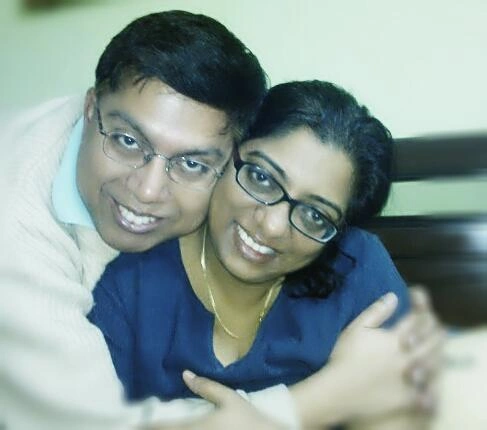
Family Background
Father’s Influence: Chhaya Sharma IPS came from a family with strong values of service. Her father inspired her to join the Indian Police Service (IPS), fulfilling his dream through her distinguished career in law enforcement. Growing up in Delhi with a father who valued duty and integrity, she inherited a strong sense of responsibility toward society.
Family Values: Born and raised in Delhi, Chhaya Sharma is described as a “Delhi girl through and through.” Her family instilled in her the values of service, integrity, and compassion—principles that guide her professional work as an IPS officer.
Personal Life & Marital Status
Status: Professional details kept private; Chhaya Sharma maintains a professional persona in public engagement
Hometown: New Delhi, Delhi
Residence: Currently based in New Delhi
Personal Interests & Hobbies
- Shopping: Enjoys shopping in Sarojini Nagar Market, Delhi
- Food: Loves traditional Bengali market chaat and local Delhi cuisine
- City Love: Deep affection for Delhi and its cultural heritage
- Social Engagement: Active in mentoring young officers and women in policing
EDUCATIONAL BACKGROUND
Academic Journey
School Education
- Details: Details of schooling maintained with privacy emphasis
- Foundation: Strong educational foundation in Delhi
College/University Education
- Institution: University of Delhi
- Degree: Bachelor of Commerce (Honours)
- Stream: Economics Honours
- Achievement: Completed graduation with focus on economic principles and social sciences
- Period: Pre-1999 (before IPS entry)
Academic Credentials
| Qualification | Institution | Year | Achievement |
|---|---|---|---|
| B.Com (Honours) – Economics | University of Delhi | Pre-1999 | Distinguished graduation |
| IPS Selection | UPSC Examination | 1999 | Cleared UPSC with merit |
| AGMUT Cadre Allocation | Government of India | 1999 | Assigned to AGMUT cadre |
Training & Professional Development
- IPS Training: National Police Academy (NPA) training as per standard IPS protocol
- Specialized Training: Advanced investigation techniques and human rights training
- International Recognition: Training in victim-centered policing approaches
- Continuous Learning: Regular professional development in criminal justice and law enforcement
CAREER TIMELINE & MILESTONES (YEAR-WISE)
IPS Career Progression Table
| Year | Rank/Designation | Posting | Cadre | Key Responsibility |
|---|---|---|---|---|
| 1999 | IPS Officer | Initial posting AGMUT | AGMUT | Police operations in NE states & Puducherry |
| 1999-2009 | Various postings | Puducherry, Arunachal Pradesh, Mizoram, Goa | AGMUT | Community policing, law enforcement, counter-insurgency |
| 2009-2010 | DCP | Outer District, Delhi | AGMUT | Crime investigation and prevention |
| 2010-2013 | DCP (South Delhi) | South Delhi Police | AGMUT | Nirbhaya case investigation |
| 2013-2019 | DIG (Investigation) | NHRC | Central Government | Human rights, bonded labor rescue, prison conditions, victim compensation |
| 2019-2024 | Joint Commissioner | EOW & Eastern Range, Delhi | Parent cadre | Economic crimes, operational command |
| 2024-2025 | IG & Director | BPR&D, Ministry of Home Affairs | Central Government | Police research and development |
🏆 MAJOR ACHIEVEMENTS & RECOGNITION
Awards & Honors
International & National Awards
| Award | Year | Awarding Body | Significance |
|---|---|---|---|
| McCain Institute Award for Courage & Leadership | 2019 | McCain Institute, Arizona State University, USA | First Indian police officer to receive this honor |
| ASIA Gamechanger Award | 2019 | Asia Society, New York | Recognition for societal impact and women’s safety initiatives |
| President’s Police Medal for Meritorious Service | Post-2012 | Government of India | National recognition for distinguished service |
| Home Minister’s Medal for Excellence in Investigation | Post-2012 | Ministry of Home Affairs | Excellence in criminal investigation |
| Special Duty Medal (2 times) | 2000s | Ministry of Defence | For service in insurgency-affected northeast India |
| Commendation from Delhi High Court | Post-2012 | Delhi High Court | For human trafficking investigations |
| UN-ODC Recognition | Multiple | UN Office on Drugs and Crime | International acknowledgment of anti-trafficking work |
Case Resolution Achievements
1. The Nirbhaya Case (December 16, 2012)
- Case Name: 2012 Delhi Gang Rape Case
- Role: DCP South Delhi, Head of Special Investigation Team
- Achievement: Arrested all perpetrators within 72 hours of the brutal crime
- Forensic Innovation: Pioneered use of forensic odontology in bite mark analysis
- Charge Sheet: Filed in record 18 days with comprehensive forensic evidence
- Impact: Led to nationwide law reforms and victim-centered policing approaches
- Recognition: Portrayed in Netflix series ‘Delhi Crime’ (character name: Vartika Chaturvedi)
- Team Leadership: Led investigation team of multiple officers under immense pressure
- Outcome: Successfully prosecuted; case became landmark in Indian criminal justice
Forensic Innovation – Bite Mark Analysis: One of Chhaya Sharma’s most notable investigative innovations in the Nirbhaya case was pioneering the use of forensic odontology for bite mark analysis in Indian criminal investigations. This scientific technique:
- Matched bite marks on victim with accused dental records
- Provided forensic evidence linking perpetrators to crime
- Set precedent for forensic odontology use in India
- Became standard practice in subsequent investigations
- Demonstrates sophisticated scientific approach to investigation
Significance of Nirbhaya Case Investigation: The case investigation under Chhaya Sharma’s leadership fundamentally transformed India’s approach to crimes against women. Her victim-centered investigation methodology led to:
- Establishment of Fast-Track Courts for rape cases
- New procedural guidelines in crime investigation
- Victim protection protocols
- Police training reforms across India
- Integration of forensic science in rape investigations
2. Baby Falak Case
- Year: 2012-2013
- Details: Investigation of a 2-year-old child victim
- Role: Key investigator and case handler
- Achievement: Crucial investigative skills and determination in delivering justice
- Impact: Set precedent for child protection cases
3. Defence Colony Bank Van Heist
- Year: 2000s
- Type: Financial crime investigation
- Achievement: Major economic fraud case resolution
- Significance: Demonstrated expertise in complex financial investigations
4. PNL Nidhi Chennai Scam
- Type: Ponzi scheme and financial fraud
- Achievement: High-profile multi-state economic crime investigation
- Impact: Protected numerous victims of financial fraud
5. Human Trafficking Cases
- Focus Area: Anti-trafficking operations
- Achievement: Multiple successful operations and convictions
- Recognition: Commendation from Delhi High Court and international bodies
- Impact: Guidelines formulated for combating human trafficking in India
- UN Recognition: Acknowledged by UN Office on Drugs and Crime (UN-ODC)
6. Other Notable Cases
| Case | Type | Year | Outcome |
|---|---|---|---|
| Ponty Chaddha Murder | Homicide | 2013 | Solved |
| Deepak Bharadwaj Murder | Homicide | 2013 | Solved |
| Namdhari Arrest | Criminal operation | 2013 | Major criminal arrested |
| Defense Colony Heist | Bank robbery | 2010s | Major case cracked |
ADMINISTRATIVE POSITIONS HELD
Chronological Record of Official Positions
Central Government Postings
1. Inspector General & Director, BPR&D (2024-Present)
- Ministry: Ministry of Home Affairs (MHA), Government of India
- Position Level: Level 14 in Pay Matrix
- Duration: 5-year deputation period (as per official notification)
- Responsibilities:
- Direction of Bureau of Police Research & Development
- National police training and research oversight
- Policy formulation for law enforcement
- Development of police doctrine and practices
National Human Rights Commission (NHRC) Deputation (2013-2019)
- Position: Deputy Inspector General (DIG) – Investigation
- Duration: 6 years
- Primary Role: Investigation of human rights violations and police misconduct
- Key Achievements:
- Bonded Labor Rescue: Led operations to rescue bonded laborers from exploitation
- Prison Conditions: Improved prison conditions and monitored custodial practices
- Authority Abuses: Mitigated and investigated cases of government authority excesses
- Victim Compensation: Secured compensation for victims of human rights violations
- Human Trafficking Core Group: Served on NHRC’s Core Group on Human Trafficking, providing expert advice
- Impact: Transformed NHRC’s investigative approach with victim-centric methodology
3. Central Vigilance Commission (CVC) Posting (2013-2019)
- Role: Vigilance and anti-corruption officer
- Duration: Part of central deputation period
- Responsibility: Government corruption investigations
Delhi Police Postings
4. Joint Commissioner of Police – Eastern Range, Delhi
- Position: Joint Commissioner rank (above DCP)
- Jurisdiction: Eastern Range of Delhi Police
- Responsibility: Oversight of multiple districts and operational command
- Duration: Post-DCP South Delhi advancement
5. Joint Commissioner of Police – Economic Offences Wing (EOW), Delhi
- Position: Joint Commissioner rank
- Specialization: Economic crimes, financial fraud, white-collar crime
- Responsibility: Leading EOW investigations and operations
- Duration: Senior position in career
6. DCP (South Delhi) – 2010-2013 [LANDMARK POSTING]
- Duration: 3 years
- Significance: First woman South Delhi DCP
- Major Case: Nirbhaya gang rape investigation
- Team Size: Led investigation team of 40+ officers
- Achievement: Revolutionized victim-centered policing
7. DCP (Outer District, Delhi) – 2009-2010
- Duration: 1-2 years
- Challenge: High crime district (303 snatchings daily noted)
- Achievement: Implemented advanced policing strategies
- Team Leadership: Managed large constabulary
Earlier AGMUT Cadre Postings (1999-2009)
8-10. AGMUT Cadre Operational Posts (1999-2009)
- Locations: Puducherry, Arunachal Pradesh, Mizoram, Goa, Union Territories
- Duration: 10 years
- Role: Police officer in various operational capacities
- Awards: Two Special Duty Medals for insurgency-affected areas
- Additional Posting: Puducherry (added from verified source)
DETAILED BIOGRAPHY SECTION
CHAPTER 1: EARLY LIFE & HUMBLE BEGINNINGS
The Delhi Roots
Chhaya Sharma was born and raised in Delhi, a city that would become the canvas of her professional life. Unlike some who come to Delhi seeking opportunity, Chhaya was a “Delhi girl through and through”—her roots embedded in the capital’s culture, values, and social fabric.
Her family background reflected the values of service and integrity. Her father dreamed of contributing to society through meaningful work, and he saw in his daughter the potential to fulfill this vision through public service. The aspiration was clear: join the Indian Police Service and serve the nation.
Growing up in Delhi during the 1980s and 1990s, Chhaya witnessed the city’s challenges—crime, inequality, and women’s safety issues. These formative years shaped her understanding of policing not as an exercise of authority, but as a responsibility to protect the vulnerable.
CHAPTER 2: EDUCATIONAL JOURNEY & ACADEMIC ACHIEVEMENTS
University Years
Chhaya Sharma pursued her Bachelor of Commerce (Honours) from the University of Delhi with a specialization in Economics. The choice of Economics was deliberate—understanding economic systems, inequality, and social structures provided intellectual foundation for her later work in criminal justice.
During her university years, she was shaped by rigorous academic training, exposure to diverse ideas, and the intellectual environment of Delhi University. Her Economics honours coursework included studies in:
- Economic sociology and inequality
- Social welfare systems
- Governance and institutional economics
- Public finance and social policy
These academic interests would resurface in her professional work, particularly in understanding the socio-economic factors behind crimes against women and trafficking.
Academic Achievement
Chhaya completed her graduation with distinction, preparing herself intellectually for competitive civil service examination. Her academic foundation was strong enough that she could focus entirely on UPSC preparation without educational gaps or concerns.
CHAPTER 3: UPSC PREPARATION & CIVIL SERVICE SELECTION
The UPSC Journey
After completing her graduation from University of Delhi, Chhaya Sharma prepared for the Union Public Service Commission (UPSC) examination—India’s most competitive civil service exam. The UPSC exam is known for its rigor, with success rates below 1%, making it one of the world’s most difficult competitive exams.
Her preparation involved:
- Intensive study of current affairs and governance
- Understanding of criminal justice system and law enforcement
- Reading on investigative procedures and police operations
- Preparation in general studies, optional subject (likely Economics), and interview
IPS Selection – 1999 Batch
Chhaya Sharma cleared the UPSC examination and was selected to the Indian Police Service (IPS), 1999 batch. This was a significant achievement—being one of very few women selected to the IPS in 1999.
Her allocation to the AGMUT cadre meant posting to Arunachal Pradesh, Goa, Mizoram, and Union Territories—often considered challenging postings compared to metro cadres like Mumbai or Delhi. However, Chhaya viewed this not as a setback but as an opportunity to serve in areas that needed policing expertise most.
CHAPTER 4: EARLY IPS CAREER (1999-2010)
AGMUT Cadre Years
The first decade of Chhaya’s IPS career was spent in AGMUT—Arunachal Pradesh, Goa, Mizoram, and Union Territories. These postings were in areas affected by insurgency, with complex security situations and limited resources.
Early Challenges & Stereotype Breaking
From the very beginning, Chhaya faced the challenge of being a woman IPS officer in an organization and culture predominantly male. Some observations she would later recall:
- Colleagues and superiors had preconceived notions about women’s capability in policing
- Her petite physical frame became subject of comment and skepticism
- Traditional police culture often dismissed women officers as “too soft”
- She heard doubts about her suitability for operational policing
However, Chhaya’s response was characteristic of her entire career: she let her work speak rather than engage in rhetoric. She volunteered for difficult postings, took on challenging cases, and demonstrated competence through consistent performance.
Awards & Recognition from Early Career
For her exemplary service in the insurgency-affected areas of northeast India, Chhaya Sharma was awarded the Special Duty Medal twice. This recognition acknowledged her courage and professionalism in one of India’s most challenging operational environments.
CHAPTER 5: DELHI POSTING & RISE TO PROMINENCE (2009-2013)
DCP (Outer District) – 2009-2010
After more than a decade in AGMUT, Chhaya Sharma was transferred to Delhi Police. Her first posting in Delhi was as Deputy Commissioner of Police (DCP) for the Outer District—one of Delhi’s most challenging police districts.
The Outer District faced significant law and order challenges:
- 303 snatchings reported daily (compared to just 3 in her previous posting)
- High property crime rates
- Complex criminal networks
- Resource constraints despite large area coverage
Her predecessor cautioned her about the difficulty of the posting, even suggesting she reconsider the transfer. Such comments would have deterred many officers, but Chhaya viewed it as an opportunity to implement advanced policing strategies.
DCP (South Delhi) – 2010-2013: The Turning Point
In 2010, Chhaya Sharma was transferred to South Delhi as Deputy Commissioner of Police—a promotion and prestigious posting. More importantly, she became the first woman South Delhi DCP, breaking yet another glass ceiling in India’s police force.
South Delhi is one of Delhi’s most important police districts, covering upscale residential areas, commercial zones, and diverse communities. The posting came with high-profile responsibility and public scrutiny.
During her tenure as DCP South Delhi, Chhaya Sharma implemented victim-centered policing approaches:
- Officers were trained to treat crime victims with dignity and respect
- Investigative procedures were modified to minimize re-traumatization of victims
- Support systems for victims were strengthened
- Gender-sensitive policing became standard practice under her leadership
CHAPTER 6: THE NIRBHAYA CASE – THE DEFINING MOMENT
December 16, 2012: The Incident
On the freezing night of December 16, 2012, Delhi witnessed one of its darkest days. A brutal gang rape of a 23-year-old woman medical student and assault on her male friend shook the nation’s conscience. The crime was so heinous that it became a turning point in India’s understanding of gender violence and criminal justice.
News broke late that night. The medical student and her friend were brutally assaulted on a moving bus in South Delhi. The victim was critically injured; the nation watched in horror as her condition remained grave.
Chhaya Sharma’s Call to Action
DCP Chhaya Sharma received a call around 2 a.m. on December 16, 2012. Without hesitation, she moved to the incident site and took charge of the investigation—a decision that would change the course of her career and influence Indian criminal justice system.
The pressure was unprecedented:
- National and international media scrutiny
- Public outrage and demands for swift justice
- Political pressure from all levels of government
- Emotional intensity of the nation watching closely
- Survivors and their families hoping against hope
The challenge was immense: there were no external witnesses except the victims themselves. The crime had occurred on a moving bus with no CCTV coverage of that particular route at that particular time. Chhaya described it as “like looking for a needle in the haystack.”
72-Hour Resolution
Despite the challenges, Chhaya Sharma and her investigation team worked relentlessly. Her resolve was unshakeable: the accused would be arrested within 72 hours. In a feat described as superhuman effort, all perpetrators were arrested within this timeframe.
How was this achieved?
- Systematic Investigation: Meticulous collection of evidence from crime scene
- Technology Use: CCTV footage analysis from surrounding areas despite initial challenges
- Interrogation Skill: Extracting information from arrested suspects
- Team Coordination: Seamless coordination among 40+ investigation officers
- Victim-Centered Approach: Treating the victims with utmost dignity and care
Charge Sheet & Court Proceedings
An impressive charge sheet was filed within 18 days—an extraordinary timeline for such a complex case. The evidence was compelling, the case was well-documented, and the prosecution was prepared.
The trial proceeded through fast-track courts. Justice was delivered with severity matching the crime’s gravity. Several perpetrators received death sentences, while others received life imprisonment.
The Victim’s Trust
Perhaps the most touching moment was when the mother of the Nirbhaya victim entrusted Chhaya Sharma with the responsibility, saying: “Madam, unhe choddna nahi” (Madam, do not spare them).
This trust—from a grieving parent to a police officer—became the emotional anchor of the investigation. Chhaya did not spare them. She ensured that justice was delivered according to law, and that the victims’ voices were heard in the courtroom.
CHAPTER 7: IMPACT & SYSTEMIC CHANGES
National Law Reforms
The Nirbhaya case investigation, under Chhaya Sharma’s leadership, catalyzed major national reforms:
- Nirbhaya Fund: Government of India allocated special funds for women’s safety initiatives
- Fast-Track Courts: Hundreds of fast-track courts were established specifically for rape cases, reducing trial duration from years to 2 months
- Criminal Law Amendment: Criminal law was amended to add new provisions for crimes against women
- Police Training: National police training curriculum was revised to include gender sensitivity and victim-centered investigation
- Standard Operating Procedures: New SOPs were developed for crimes against women investigations
Victim-Centered Policing Model
Chhaya Sharma’s approach to the Nirbhaya case became the template for victim-centered policing:
- Victims are treated with dignity and respect, not as case files
- Investigative procedures minimize re-traumatization
- Victim support and counseling is integrated into police response
- Family members are kept informed and involved appropriately
- Justice delivery timeline is accelerated to provide quicker relief
This model has since been adopted across Indian police forces and influenced policing practices in other jurisdictions.
Netflix Series “Delhi Crime”
The investigation was so significant that Netflix adapted it into a web series titled “Delhi Crime.” Actress Shefali Shah portrayed the character of Vartika Chaturvedi, inspired by Chhaya Sharma’s role. The series became a critical and popular success, introducing Chhaya’s story to a global audience and demonstrating how a police officer’s courage and compassion can drive systemic change.
CHAPTER 8: OTHER MAJOR CASES & INVESTIGATIONS
While the Nirbhaya case remains her most famous work, Chhaya Sharma’s career includes other significant investigations:
Baby Falak Case (2012-2013)
- A 2-year-old child victim of severe abuse
- Chhaya Sharma’s investigative skills and determination were crucial in delivering justice
- Case demonstrated her capability in handling sensitive cases involving children
- Investigation was conducted with special care and compassion
Defence Colony Bank Van Heist
- Major bank robbery incident
- Complex financial investigation requiring detailed forensic analysis
- Successful resolution and asset recovery
- Demonstrated expertise in financial crime investigation
PNL Nidhi Chennai Scam
- Large Ponzi scheme affecting thousands of investors
- Multi-state, multi-agency investigation
- Successfully prosecuted, protecting victims from further fraud
- Showed capability in investigating complex financial crimes
Human Trafficking Cases
- Multiple anti-trafficking operations
- Commendation from Delhi High Court for investigative work
- International recognition from UN Office on Drugs and Crime
- Led to formulation of national anti-trafficking guidelines
Other Notable Cases:
- Ponty Chaddha murder case
- Deepak Bharadwaj murder investigation
- Namdhari criminal arrest operation
CHAPTER 9: CENTRAL DEPUTATION (2013-2019)
Transition from Field Operations
After her historic work in the Nirbhaya case, Chhaya Sharma received central deputation—meaning she was posted to central government agencies rather than state police.
National Human Rights Commission (NHRC)
- Position: Deputy Inspector General (DIG)
- Responsibility: Ensuring human rights compliance by police forces
- Focus: Police accountability, torture prevention, fair investigation practices
- Duration: Significant portion of central deputation
Her NHRC work focused on:
- Monitoring police conduct and adherence to human rights standards
- Investigating complaints of police misconduct
- Formulating guidelines for ethical policing
- Training officers on human rights in law enforcement
Central Vigilance Commission (CVC)
- Role: Anti-corruption and vigilance officer
- Responsibility: Investigation of government corruption cases
- Duration: Overlapping with NHRC tenure
This posting demonstrated her capability in handling sensitive vigilance and accountability matters.
International Recognition During Deputation
It was during her central deputation, in 2019, that Chhaya Sharma received major international recognition:
- McCain Institute Award for Courage & Leadership from Arizona State University
- Asia Society Gamechanger Award in New York
- President’s Police Medal for Meritorious Service (highest police honor in India)
- Home Minister’s Medal for Excellence in Investigation
These awards recognized her not just for the Nirbhaya case but for her broader contributions to victim-centered policing, human rights, and women’s empowerment in law enforcement.
CHAPTER 10: RETURN TO DELHI & BPR&D POSTING (2024-PRESENT)
Return to Parent Cadre
After central deputation, Chhaya Sharma returned to her parent cadre (AGMUT). She served in various capacities in Delhi Police and other AGMUT assignments.
Current Position: IG & Director, BPR&D (2024-Present)
In 2024-2025, Chhaya Sharma received a significant promotion to Inspector General rank and appointment as Director of the Bureau of Police Research & Development (BPR&D), a premier research organization under the Ministry of Home Affairs.
BPR&D Role & Responsibilities:
- Official Title: Inspector General & Director, Bureau of Police Research & Development
- Ministry: Ministry of Home Affairs (MHA), Government of India
- Pay Level: Level 14 in Central Pay Matrix
- Tenure: 5-year deputation period
- Key Responsibilities:
- Direction of national police research initiatives
- Development of police training and doctrine
- Policy research for law enforcement agencies
- Integration of international best practices in Indian policing
- Publication of police research and guidance documents
- Oversight of police training institutions
Vision for BPR&D: Chhaya Sharma’s tenure at BPR&D is expected to focus on:
- Victim-centered policing practices (her signature approach)
- Gender-sensitive law enforcement
- Use of technology in criminal investigation
- Human rights in policing
- Training standards for Indian police forces
- Research on emerging crimes and challenges
This appointment represents the culmination of her career journey—from field operations to policy leadership, from investigating individual cases to shaping national police doctrine.
Read More: Kulbhushan Jadhav, anshika verma ips , srushti deshmukh age
FREQUENTLY ASKED QUESTIONS
Q1: What is Chhaya Sharma’s current position (2025)?
A: Chhaya Sharma is currently the Inspector General (IG) and Director of the Bureau of Police Research & Development (BPR&D) under the Ministry of Home Affairs, Government of India. She holds the rank equivalent to IG level (Level 14 in Central Pay Matrix) and has been serving since 2024-2025. Prior to this, she served as Joint Commissioner of Police for both the Eastern Range and Economic Offences Wing (EOW) of Delhi Police.
Q2: What was her role in the Nirbhaya case?
A: Chhaya Sharma was the Deputy Commissioner of Police (DCP) of South Delhi when the Nirbhaya gang rape occurred on December 16, 2012. She led the investigation as chief investigating officer, successfully arresting all perpetrators within 72 hours and filing the charge sheet in 18 days. Her victim-centered investigation approach became a model for the Indian criminal justice system.
Q3: Which IPS batch is Chhaya Sharma from?
A: Chhaya Sharma is from the 1999 batch of the Indian Police Service (IPS), with a posting to the AGMUT cadre (Arunachal Pradesh, Goa, Mizoram, and Union Territories).
Q4: What is her cadre?
A: Chhaya Sharma belongs to the AGMUT cadre, which covers Arunachal Pradesh, Goa, Mizoram, and Union Territories.
Q5: How many Special Duty Medals did she receive?
A: Chhaya Sharma received two Special Duty Medals for her exemplary service in the insurgency-affected areas of northeast India during the early years of her IPS career.
Explore more blogs at: Iconic Honors
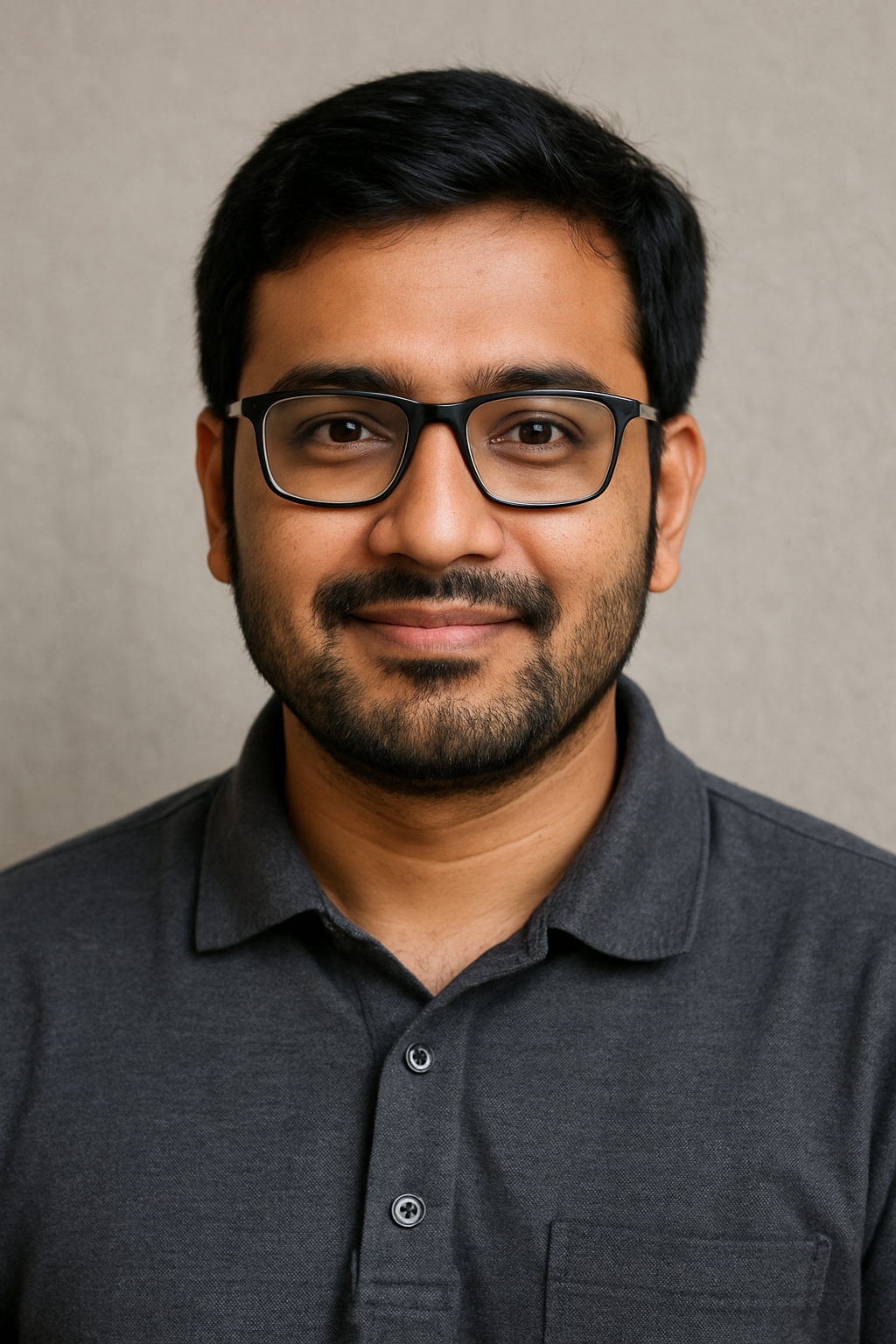
Nishant Kumar is the founder and lead content creator at OfficersDetails.com, a platform dedicated to delivering accurate, verified information about officers in government, corporate, and legal sectors. With a strong background in public administration and data research, Nishant is passionate about transparency, governance, and simplifying access to essential leadership profiles.