
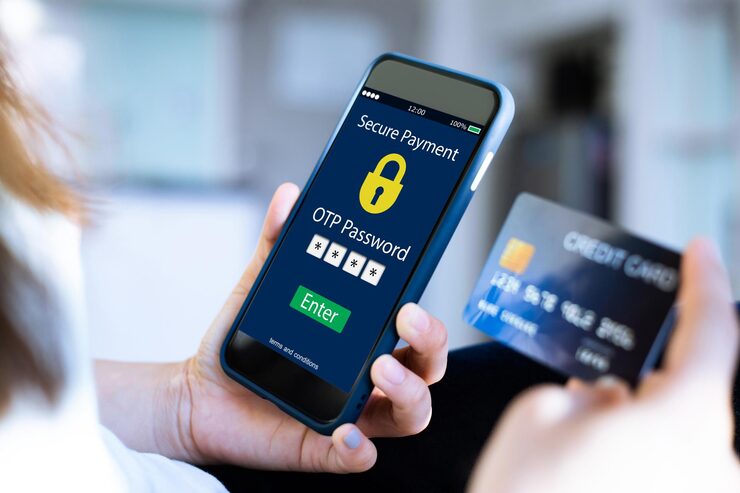
Instant digital borrowing has made accessing credit easier than ever. However, the rapid growth of app-based lending has also led to a rise in fraudulent platforms that misuse customer data, charge hidden fees, or engage in unethical recovery practices. Many borrowers download an unknown loan app in urgency without verifying its credibility, putting both their money and personal information at risk.
To borrow safely, users must follow a basic safety checklist before installing or applying through any personal loan app. Understanding how to identify safe platforms and avoid fraudulent ones can protect borrowers from financial loss and privacy violations.
Below is a practical safety checklist every borrower should follow before using an instant lending platform.
Check Whether the App Is Linked to an RBI-Regulated Lender
The most important step is to confirm whether the lending platform is connected to a bank or an NBFC regulated by the Reserve Bank of India. Legitimate lending apps operate in partnership with regulated financial institutions.
Fraudulent apps often act as lenders without regulatory backing. Borrowers should check whether the app clearly mentions its partner lending institution and regulatory registration details.
If such information is missing or vague, the platform should be avoided.
Verify App Publisher Details on the App Store
Always check who publishes the app on the Google Play Store or the Apple App Store. Genuine financial apps clearly mention company details, official websites, and contact information.
Fraudulent apps often use generic developer names, fake company descriptions, or recently created publisher accounts. Apps with limited downloads or suspicious reviews also deserve caution.
Taking a minute to verify the publisher can prevent serious issues later.
Review App Permissions Before Installation
A genuine personal loan app requests permissions relevant only to identity verification and account security. These may include camera access for document uploads or SMS access for OTP verification.
Fraudulent apps often demand access to contacts, photo galleries, call logs, or unrelated personal data. Such access is sometimes misused for harassment during recovery or data misuse.
Users should deny unnecessary permissions and avoid apps that demand excessive access.
Read User Reviews Carefully
App store reviews often reveal real customer experiences. Look beyond overall ratings and read recent feedback to identify patterns of complaints.
Warning signs include reports of hidden charges, harassment during recovery, sudden fee deductions, or threats against borrowers. Genuine apps typically have consistent feedback regarding service quality and transparency.
A few minutes spent reviewing feedback can help avoid risky platforms.
Watch Out for Unrealistic Loan Promises
Fraudulent apps often promise guaranteed approvals, instant disbursals without checks, or extremely low interest rates to lure users.
In reality, every lender conducts a risk assessment before approving a loan. Apps promising approval regardless of credit profile or income stability are likely suspicious.
Borrowers should be cautious about platforms that make exaggerated claims.
Check Transparency of Fees and Charges
A legitimate loan platform clearly displays interest rates, processing fees, repayment schedules, and penalties before submitting an application.
Fraudulent apps often hide fees or deduct large processing amounts upfront. Some apps disburse smaller amounts than promised after charging hidden fees.
Always review the cost structure carefully before proceeding with an application.
Ensure Secure Website and App Communication
Trusted financial apps use secure encryption protocols to protect user data. Borrowers should check whether the app’s website uses secure URLs and provides official communication channels.
Avoid apps that communicate via unofficial messaging channels or request payments through personal accounts rather than through regulated payment gateways.
Security practices indicate platform credibility.
Avoid Apps Asking for Advance Payments
One of the biggest red flags is when apps demand advance payments for processing or approval. Genuine lenders either deduct processing charges from the disbursal or include them transparently in the loan documentation.
Fraudulent platforms often ask users to pay upfront fees and then disappear or reject applications.
Never pay money upfront to unknown lending platforms.
Use Known Financial Ecosystems When Possible
Borrowers are safer using platforms connected to established financial ecosystems. Trusted financial institutions invest heavily in compliance, data protection, and customer service.
Companies such as Bajaj Finserv operate within regulated frameworks and provide digital lending services integrated with broader financial tools, such as payments and investments, offering safer borrowing experiences.
Choosing known financial ecosystems significantly reduces risk.
Monitor Loan Repayment and Account Access Regularly
After borrowing, users should regularly check their loan account details and repayment schedules within the app. Monitoring accounts helps detect unauthorised deductions or suspicious activity early.
Promptly reporting irregularities to customer support ensures faster resolution.
What to Do If You Have Already Used a Suspicious App?
If someone has already shared data with a suspicious app, they should immediately revoke the app’s permissions, change their banking credentials, and contact their bank for precautionary measures.
Complaints can also be filed with cybercrime authorities or the RBI’s grievance redressal channels if fraud occurs.
Acting quickly helps limit potential damage.
Conclusion
Instant lending platforms offer convenience, but borrowers must remain cautious. Not every loan application is ethical or legal. Fraudulent apps often exploit urgent borrowing needs, making awareness essential.
Following a basic safety checklist, verifying regulatory backing, checking app credibility, and ensuring transparent pricing can help protect users from scams. A safe borrowing experience begins with informed choices and looking for reliable apps such as Bajaj Finserv.
Digital borrowing is beneficial when done responsibly through credible platforms. Taking a few precautionary steps ensures that quick access to credit does not come at the cost of financial security or personal privacy.
