
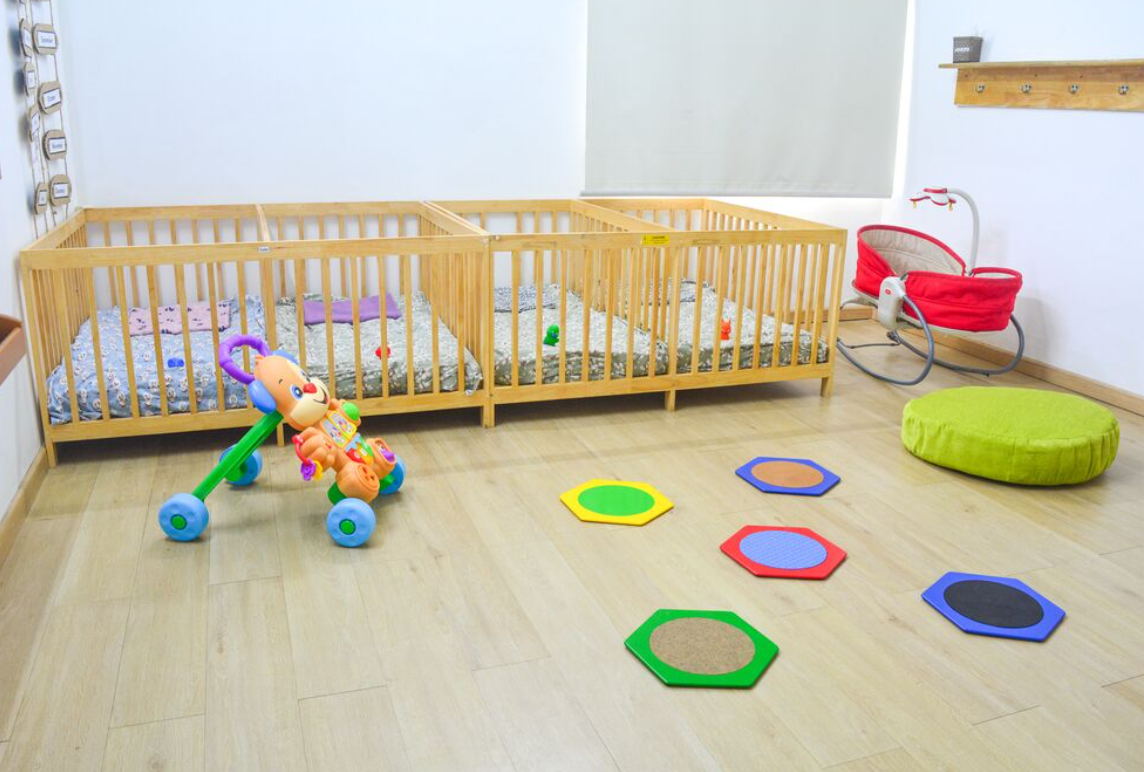
Nursery school is an early childhood education program designed for children around the ages of three and four. It offers a structured environment where young children develop social, cognitive, language, and emotional skills through guided activities and group interaction. It serves as a vital step in a child’s growth by combining learning with play to build a foundation for future education.
Unlike daycare, nursery school focuses on education-based experiences that prepare children for elementary school. Parents often choose nursery schools for their curriculum, which supports developmental milestones while fostering independence and social connections. This balance helps children gain confidence and curiosity about learning.
By understanding the role and benefits of nursery school, families can make informed decisions about early childhood care and education. Its focus on holistic development addresses multiple areas essential for a child’s success both in and out of school.
What Is Nursery School?
Nursery school offers a structured environment designed to support early learning and social development in young children. It typically combines play-based activities with simple instruction to foster cognitive, emotional, and social growth.
Definition and Purpose
Nursery school serves as an early childhood education setting for children before they enter formal elementary education. It provides group experiences that promote holistic development, focusing on basic skills like communication, social interaction, and early academic concepts.
The purpose is to prepare children for school by introducing routines and learning through play. It balances care and education, helping children develop independence, confidence, and foundational abilities in a supportive setting.
Age Groups Served
Nursery schools generally enroll children aged 3 to 5 years old. These years are crucial for rapid developmental progress in language, motor skills, and social behavior. Some programs may include 2-year-olds or extend support to children who will soon begin formal schooling.
The age range ensures children are grouped with peers at similar developmental stages, enhancing social learning and cooperation. Nursery schools often operate during regular business hours and can provide full-day care or part-time sessions.
Key Educational Principles
Nursery schools emphasize play-based learning combined with structured activities. This approach nurtures creativity, problem-solving, and emotional regulation while introducing basic literacy and numeracy skills.
Child-centered teaching methods encourage exploration and self-expression. Social development is also a priority, with activities designed to build sharing, communication, and group participation skills.
Safety, routine, and positive reinforcement form the framework for learning, supporting children’s overall well-being along with their educational growth.
Choosing a Nursery School
Selecting a nursery school requires attention to several important details. These include how well the environment supports learning, how the curriculum is designed, and how the school manages health and safety. Understanding these aspects helps parents make an informed choice.
Factors to Consider
Parents should evaluate the nursery’s reputation and feedback from other families. Location and accessibility matter for daily convenience. The school’s communication style with parents is crucial for ongoing involvement.
A key factor is how well the nursery aligns with the family’s cultural values and expectations. The ratio of staff to children impacts individual attention. Facilities should be clean, safe, and stimulating, providing space for play and learning.
Visiting potential nurseries allows observation of interactions between staff and children. This direct assessment helps identify whether the environment feels nurturing and supportive.
Curriculum and Learning Environment
The curriculum should encourage development across social, emotional, cognitive, and physical domains. Programs that incorporate play-based, experiential learning tend to engage children effectively.
Teachers need to be qualified and skilled in early childhood education. Classrooms should be well-organized, equipped with age-appropriate materials, and designed to promote exploration.
A varied schedule balancing structured activities with free play supports well-rounded growth. The environment must foster independence while also teaching cooperation and communication skills.
Health and Safety Standards
Nurseries must adhere to rigorous health and safety protocols, including secure premises and emergency procedures. Staff training in first aid and illness prevention is essential.
Daily hygiene practices like handwashing and sanitizing toys reduce infection risks. Outdoor play areas should be safe and well-maintained.
Clear policies on illness exclusion ensure sick children stay home to protect others. Parents should ask about measures for allergies, medication administration, and incident reporting.
