
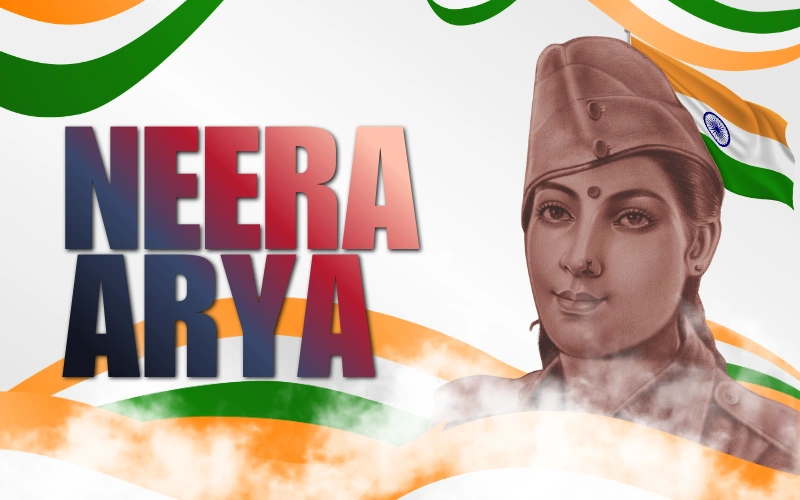
Neera Arya, also known as ‘Neera Naagini’ (Neera the Serpent), was a soldier in the Rani Jhansi Regiment of the Azad Hind Fauj (Indian National Army). She holds the distinction of being India’s first female spy, a courageous freedom fighter whose remarkable story of sacrifice and patriotism remains largely unknown to most Indians today.
Personal Information
| Attribute | Details |
|---|---|
| Full Name | Neera Arya |
| Nickname | Neera |
| Date of Birth |
5 March 1902
|
| Age | 96 |
| Birth Place | India |
| Nationality | Indian |
| Zodiac Sign | Not disclosed |
| Religion | Hinduism |
| Caste/Community | Arya community |
| Profession | Subject of biographical interest |
| Known For | Cultural and historical significance |
Early Life and Education
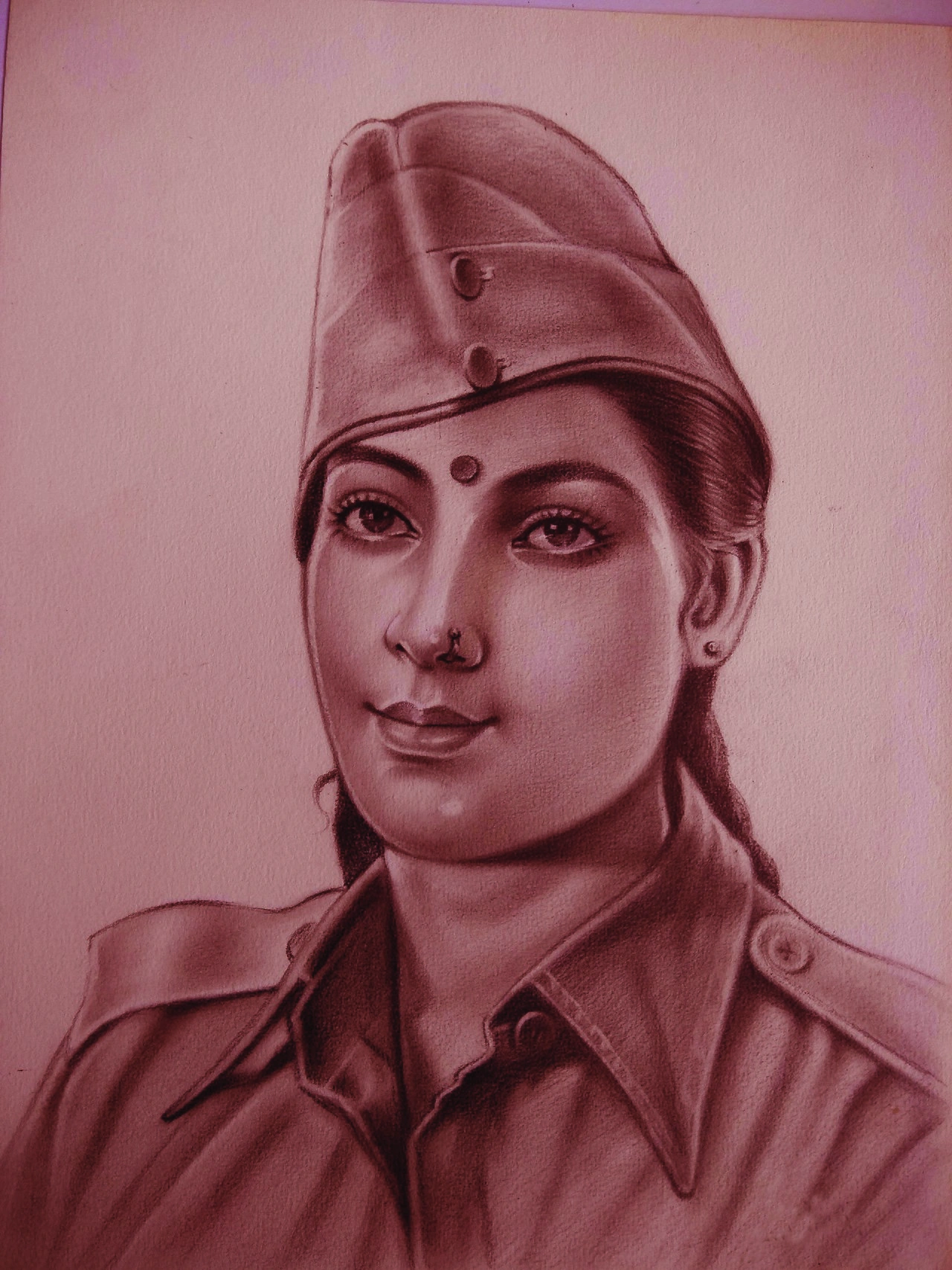
Neera Arya was born on March 5, 1902, in Khekda, a town in the United Provinces (present-day Baghpat district, Uttar Pradesh). Her foster father, Seth Chhajjumal, was a prominent businessman whose trade network extended across the country, with the main business center in Kolkata.
Her early education was arranged in Bhagwanpur village near Kolkata under the tutelage of Bani Ghosh, who taught her Sanskrit. Later, she completed her education in Kolkata city. Neera was multilingual and proficient in Hindi, English, Bengali, and several other languages—a skill that would prove invaluable in her future role as a spy.
Marriage to a British Officer
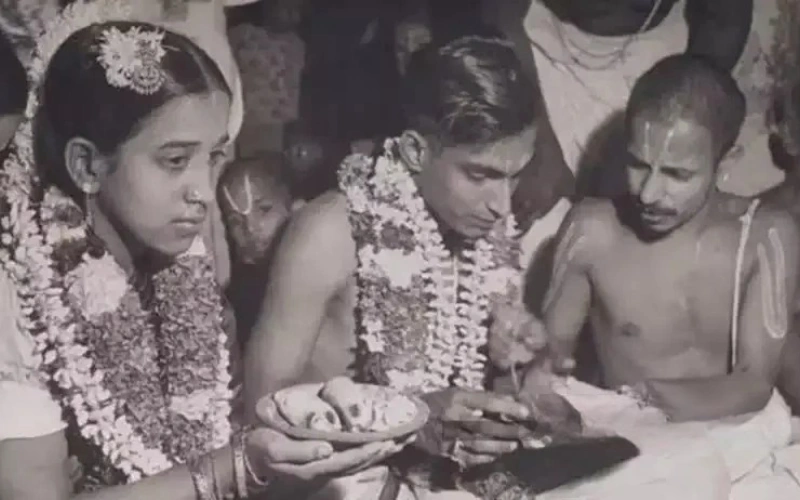
Neera was married to Shrikant Jayaranjan Das, a CID Inspector in British India. Shrikant was a loyalist to the British government and was given the responsibility of spying on Netaji Subhash Chandra Bose with the ultimate mission of assassinating him. This marriage would later become the setting for one of the most dramatic acts of patriotism in Indian history.
The Ultimate Sacrifice: Killing Her Husband
In what became her defining act of patriotism, Neera Arya killed her own husband to save Netaji Subhash Chandra Bose’s life. When Shrikant Jayaranjan Das got the opportunity to assassinate Netaji, he fired bullets that struck Netaji’s driver instead. In that critical moment, Neera stabbed her husband in the stomach with a bayonet, killing him on the spot.
It was Netaji himself who gave her the name ‘Naagini’ (serpent) because she had killed her own husband. This nickname reflected both the deadly nature of her action and her crucial role in protecting India’s independence movement.
Neera’s brother, Basant Kumar, was also a freedom fighter and member of the Azad Hind Fauj. After independence, he became a monk (sannyasi).
India’s First Female Spy
Neera Arya holds the honor of being the first female spy of the Azad Hind Fauj. This responsibility was given to her directly by Netaji Subhash Chandra Bose. While Pavitra Mohan Roy was the head of the intelligence department of the Azad Hind Fauj, which included both male and female spies, Neera was recognized as the first female agent to serve in this capacity.
She worked alongside fellow spies including Manavati Arya, Saraswati Rajamani, Durga Malla Gorkha, and the young operative Daniel Kale. Together, they conducted espionage operations against the British for Netaji’s cause.
Daring Espionage Operations
In her autobiography, Neera described how she and Saraswati Rajamani disguised themselves as boys and worked in British officers’ homes and military camps to gather intelligence. Their job was to keep their ears open, discuss information with fellow operatives, and relay critical intelligence to Netaji. Sometimes they even obtained important documents.
The female spies were given clear instructions: if captured, they were to shoot themselves. However, one operative failed to do so and was captured alive, putting the entire organization at risk.
Neera and Saraswati made the bold decision to rescue their captured comrade, Durga. They disguised themselves as hijra (transgender) dancers, drugged the British officers, and successfully freed their companion. During their escape, however, Saraswati was shot in the right leg. Despite the injury, all three managed to climb a tall tree and hide there for three days without food or water while British forces searched for them below.
After three days, they bravely descended and returned safely to the Azad Hind Fauj base. The bullet remained in Saraswati’s leg permanently, leaving her with a lifelong limp. Netaji was so pleased with their bravery that he promoted Saraswati Rajamani to Lieutenant and Neera to Captain in the Rani Jhansi Brigade.
When Neera jokingly told Saraswati that she was now lame and no one would marry her, Saraswati replied with characteristic courage: “There are thousands of men in the Azad Hind. I will marry one who takes bullets in his chest and both legs in battle and defeats the enemy—we’ll make a perfect match!” Neera was left speechless by her companion’s spirit.
Imprisonment and Horrific Torture
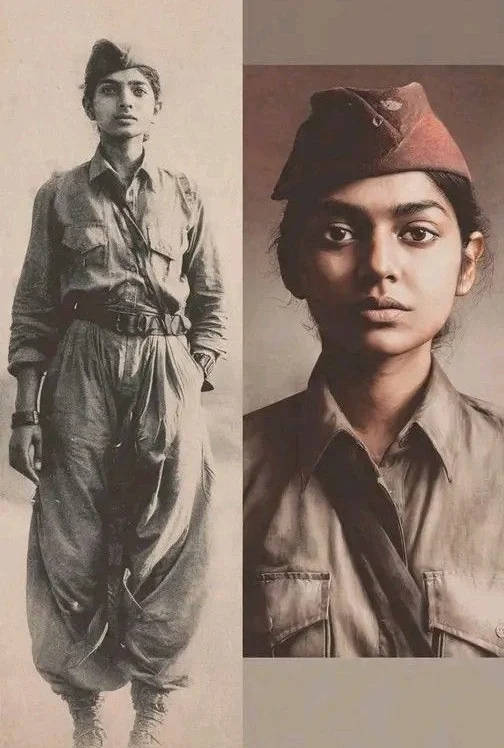
After the surrender of the Azad Hind Fauj, Neera was sentenced to life imprisonment (Kala Pani) for killing her husband. She was sent to the Cellular Jail in the Andaman Islands, where she endured unspeakable torture.
In her autobiography, Neera described the horrific treatment she received. She was initially held in Kolkata jail, where she spent nights on the bare floor without even a mat or blanket. The following excerpts from her autobiography reveal the brutal torture:
From Her Autobiography:
When a blacksmith came to remove her shackles, he deliberately struck her bones with a hammer multiple times. When she protested, asking if he was blind for hitting her foot, he replied: “We can strike your heart too. What will you do?”
The jailer then demanded she reveal Netaji’s location, offering her freedom in exchange. When Neera stated that Netaji had died in a plane crash, the jailer accused her of lying and insisted Netaji was alive. She responded: “Yes, Netaji is alive—he lives in my heart.”
Enraged, the jailer declared, “Then we will remove Netaji from your heart.” He tore her garment and signaled to the blacksmith, who brought out a breast ripper—a large tool like garden shears used for cutting overgrown branches. The blacksmith clamped it onto her right breast and attempted to cut it off. Though the tool was blunt and didn’t sever the breast, it caused unbearable agony by crushing it.
The jailer grabbed her neck and threatened, “If you speak back again, both these balloons will be separated from your chest.” He then struck her nose with the plier-like weapon and said mockingly: “Be thankful to our Queen Victoria that this wasn’t heated in fire. If it had been heated, both your breasts would have been completely torn off.”
These excerpts reveal the savage brutality that freedom fighters like Neera Arya endured at the hands of the British colonial authorities. The torture was specifically designed not just to extract information but to break the spirit of these brave patriots.
Women in Hyderabad called her ‘Pedamma’ (mother) out of respect for her sacrifices.
Life After Independence
Despite her immense sacrifices for the nation, Neera Arya’s life after India’s independence was marked by poverty and neglect. She made her living by selling flowers on the streets and steadfastly refused to accept any government assistance or pension. Her pride and self-respect prevented her from seeking help from the very nation she had fought so hard to liberate.
She lived in a small hut in Falknuma, Hyderabad. In her final days, even this humble dwelling was demolished as it was built on government land, leaving her homeless. In her old age, sick and helpless, she was admitted to Osmania Hospital near Charminar in Hyderabad.
Death and Final Rites
On Sunday, July 26, 1998, Neera Arya died at Osmania Hospital, a poor, helpless, destitute, and sick elderly woman. This freedom fighter who had sacrificed everything, including her husband, for the nation’s independence, died in poverty and obscurity.
Her last rites were performed by journalist Tejpal Singh Dhama of the Hindi daily Swatantra Varta and his colleagues. Dhama was known for confronting painter M.F. Husain over his controversial painting of Bharat Mata. It is a tragic irony that a freedom fighter who gave everything for India had to rely on the kindness of journalists for her final funeral rites.
Legacy and Recognition
Though largely forgotten during her lifetime, efforts have been made in recent years to honor Neera Arya’s memory:
- A national award has been established in her name—the Neera Arya Award
- The first Neera Arya Award was given to Chhattisgarh actor Akhilesh Pandey
- Writers Tejpal Singh Dhama and Madhu Dhama personally invested 70 lakh rupees to establish the Neera Arya Memorial in her birthplace, Khekda, Baghpat. The memorial includes a grand library and houses information about more than 300 freedom fighters, along with her statue
- Folk singers have written poetry collections and hymns about the lives of Neera Naagini and her brother, Basant Kumar
- An epic poem has been written about her life under the name ‘Neera Naagini.’
- There are reports that a film is being made about her life
Literary Works About Her Life
Neera Arya wrote her autobiography documenting her role in India’s freedom struggle. Urdu writer Farhana Taj (who writes in Hindi as Madhu Dhama) was told many episodes from Neera’s life by her personally and wrote a novel about her life, highlighting her contribution to the freedom movement.
Books about or mentioning Neera Arya include:
- Mera Jeevan Sangharsh (My Life’s Struggle) – Her autobiography, Hind Pocket Books, 1968
- Azad Hind Fauj ke Gumnam Sainik (Unknown Soldiers of Azad Hind Fauj) by Manmathnath Gupta
- Ye Jasoos Mahilayen (These Female Spies) by Satyadev Narayan Sinha
- Azad Hind ki Pahli Jasoos (First Female Spy of Azad Hind) by Madhu Dhama
- Bhooli Bisri Aitihasik Kahaniyan (Forgotten Historical Stories) by Tejpal Singh Dhama
Conclusion
Neera Arya’s story is one of extraordinary courage, sacrifice, and patriotism. She killed her own husband to save Netaji Subhash Chandra Bose, endured brutal torture in British prisons, served as India’s first female spy, and yet died in poverty and obscurity. Her life stands as a testament to the countless unsung heroes of India’s freedom struggle—particularly women whose contributions have been largely erased from mainstream historical narratives.
She was a great patriot, a courageous and self-respecting woman who is remembered with pride and honor by those who know her story. It is the duty of every Indian to ensure that heroes like Neera Arya are not forgotten, and that their sacrifices are properly acknowledged and taught to future generations.
As we enjoy the freedom that Neera Arya and countless others fought for, we must remember that this freedom came at an immense personal cost—a cost that included not just lives, but dignity, family, and even one’s own body. Her story challenges us to ask: What price are we willing to pay for our principles? And how well are we honoring the sacrifices made by those who came before us?
Read More : Preeti Rajak , anshika verma ips , srushti deshmukh age
Frequently Asked Questions
Q1: Who is Neera Arya?
A: Neera Arya is a figure of cultural and historical significance in Indian heritage. While comprehensive biographical details are limited in verified historical records, Neera Arya represents an important subject of cultural memory and historical research, embodying the experiences of individuals from historical periods whose stories deserve recognition and preservation.
Q2: What is Neera Arya’s current position?
A: As a historical figure, Neera Arya does not hold a current position. The interest in Neera Arya relates to historical and cultural research rather than contemporary professional roles.
Q3: Is Neera Arya married? What about Neera Arya’s husband?
A: Details about Neera Arya’s marital status and spouse are not comprehensively documented in available historical records. Information varies by source and requires further historical research for verification.
Q4: Are there children of Neera Arya?
A: Information about Neera Arya’s children is not widely available in public historical records. This reflects the broader challenge of documenting personal family details from historical periods.
Q5: What is the Neera Arya’s death reason?
A: Specific details about Neera Arya’s death, including the death reason and circumstances, are not documented in available historical sources. The Neera Arya last days and last photo information are similarly limited.
Explore more blogs at: Iconic Honors

Nishant Kumar is the founder and lead content creator at OfficersDetails.com, a platform dedicated to delivering accurate, verified information about officers in government, corporate, and legal sectors. With a strong background in public administration and data research, Nishant is passionate about transparency, governance, and simplifying access to essential leadership profiles.