
Why Good Audio Can Matter More Than Better Graphics in Games
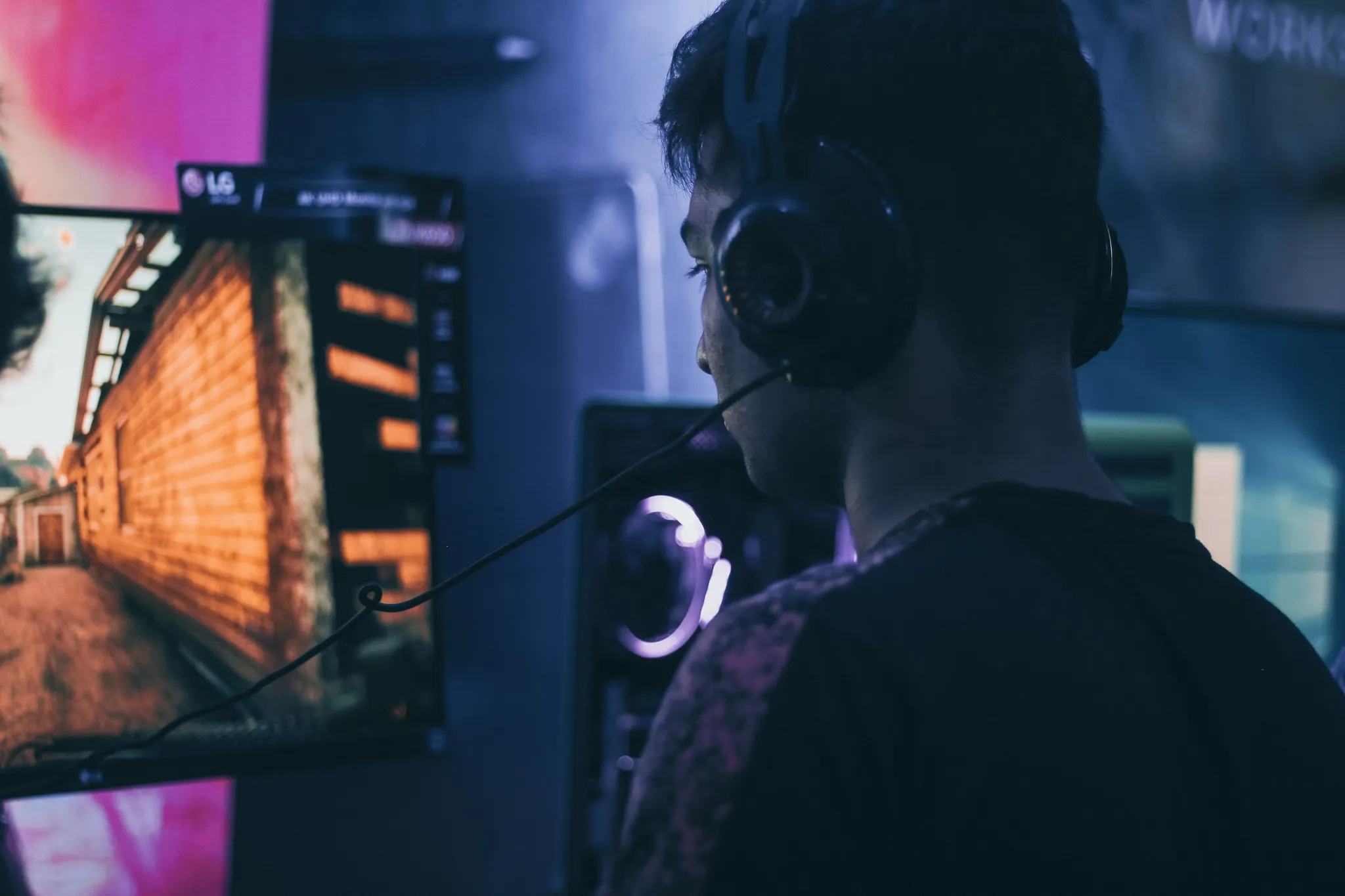
Graphics usually steal the first impression. A sharper image, richer lighting, and more detailed textures are easy to notice in a trailer or a screenshot. Audio works differently. It does not always announce itself in the same flashy way, but once a real session begins, sound often ends up carrying more weight than the visuals. A game may look stunning for ten minutes and still feel empty if the world sounds flat. On the other hand, a simpler-looking title can feel intense, believable, and memorable when the audio is doing its job properly.
That difference matters across the wider digital space, where experience is shaped not only by what appears on the screen but also by how naturally it feels in motion. A platform such as spinfin slot fits into the same broader environment, where response, rhythm, and atmosphere help define whether the experience feels smooth or forgettable. In gaming, sound often controls all three. Audio can warn, guide, unsettle, reward, and even tell a story before the eye fully understands what is happening.
Sound Often Reaches the Nervous System First
A good visual can show danger. Sound can make danger feel close before anything is visible at all. A faint reload behind a wall, footsteps in the wrong direction, the slow build of low music before a boss encounter, or the sudden absence of ambient noise can change the mood instantly. That reaction happens fast. The ear catches a threat before the brain finishes sorting out the whole image.
This is one reason audio matters so much in games built around tension. Horror games are the obvious example, but the same rule applies to action titles, stealth games, survival games, and even story-heavy adventures. A corridor is just a corridor until sound turns it into a place that feels unsafe. A battlefield is just scenery until distant gunfire, radio chatter, and impact sounds give it shape and pressure.
Graphics can describe a place very well. Sound tells the body how to react to that place. That is a much bigger job than simple decoration.
Better Visuals Fade Faster Than Better Sound
There is also a practical truth that many players notice after enough time with modern hardware. The eye gets used to graphical upgrades fairly quickly. A stronger texture pack, slightly better shadows, or more reflections in a puddle may look impressive on day one, then become normal very fast. Sound tends to age differently. Strong audio keeps affecting every second of play because it keeps feeding new information.
A sound cue can change a decision. A soundtrack can change the emotional reading of a scene. The crack of a weapon, the delay of an echo, or the weight of a door shutting can make an action feel believable in a way that another layer of visual detail often cannot match.
When Good Audio Does the Heaviest Work
-
Footsteps reveal movement before visual contact
-
Music shifts signal danger, relief, or emotional change
-
Environmental sounds make empty spaces feel occupied
-
Weapon and impact sounds give actions weight
-
Quiet moments become more tense when the soundscape pulls back
-
Voice clarity improves communication in fast multiplayer sessions
This is why a game with average graphics but excellent sound can stay in memory for years. The world feels alive, and a living world is harder to forget than a merely polished one.
Atmosphere Lives in the Soundscape
One of the strangest things about game audio is how quickly its absence becomes noticeable. A city without layered street noise feels fake. A spaceship without a mechanical hum feels hollow. A storm without convincing sound can look impressive and still feel oddly empty. Sound fills space. It gives the world pressure, temperature, and mood.
This is also where music deserves more respect. A scene may look beautiful, but music often decides whether that beauty feels lonely, hopeful, grand, or tragic. A weak score can flatten a strong scene. A strong score can lift a simple scene far beyond the limits of the visuals.
Where Better Audio Matters Most
-
Horror and suspense games built on tension
-
Shooters and battle games that depend on directional awareness
-
Story-driven titles where music shapes emotion
-
Open-world games that need believable environmental life
-
Stealth games where sound cues guide movement
-
Multiplayer matches where voice chat and timing matter constantly
A game does not need to belong to every category on that list to benefit from great sound. Almost any genre becomes stronger when the audio feels deliberate.
Good Sound Makes a Game Feel Finished
A strong soundscape does something that better graphics often cannot do on its own. It makes the whole experience feel complete. The world stops looking like a well-made model and starts feeling like a place with weight, distance, danger, and memory. A player may admire graphics, but sound is often what creates attachment.
That is why good audio can matter more than better graphics. Visuals attract attention first because they are easy to sell. Sound keeps working after that first impression burns off. It sharpens awareness, deepens emotion, and turns action into something felt rather than merely seen. In the long run, that kind of impact usually matters more than one more visual upgrade sitting quietly in the corner of the screen.
