
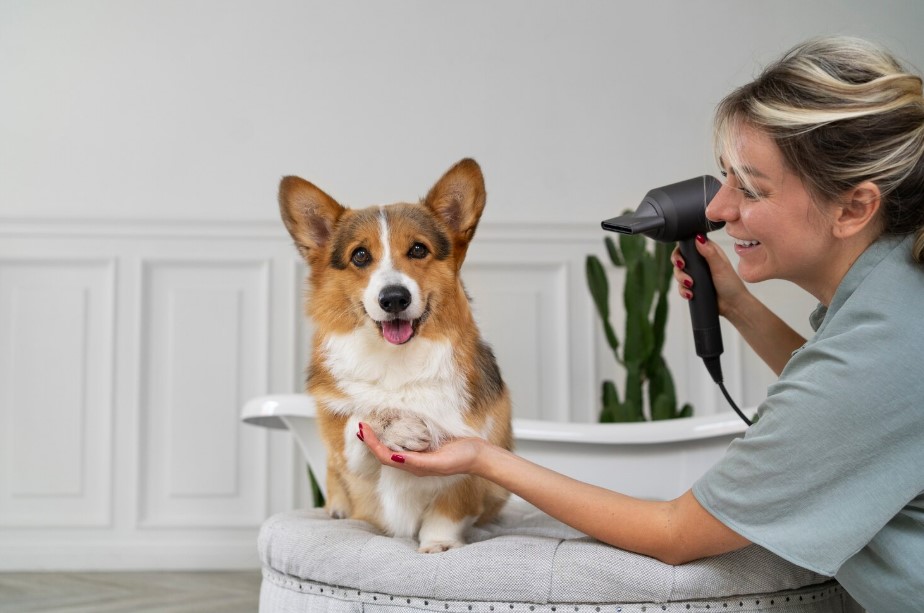
Bringing a dog home is exciting. Whether you’re adopting a playful puppy or welcoming an older rescue, having the right dog supplies can make a huge difference in your pet’s comfort, safety, and happiness.
Many new pet owners buy items based on appearance or price alone. Unfortunately, that often leads to wasted money and products that don’t meet a dog’s actual needs. A smart approach starts with understanding which supplies for dogs are truly essential.
This checklist covers the most important items every dog owner should consider. From feeding equipment to grooming tools, these basics help create a healthy and enjoyable environment for your four-legged companion.
Why the Right Dog Supplies Matter
Dogs rely on their owners for everything. The right pet supplies for dogs help support:
-
Proper nutrition
-
Better hygiene
-
Physical exercise
-
Mental stimulation
-
Safety and security
-
Long-term health
Investing in quality products from the beginning often reduces problems later, including destructive behavior, poor eating habits, and preventable injuries.
10 Must-Have Dog Supplies Every Owner Needs
1. Food and Water Bowls
Every dog needs access to clean food and fresh water throughout the day.
Look for:
-
Stainless steel bowls
-
Non-slip bases
-
Easy-to-clean materials
-
Appropriate size for your dog’s breed
Avoid lightweight plastic bowls that can crack, trap bacteria, or tip over easily.
2. High-Quality Dog Food
Nutrition is the foundation of good health.
Choose dog food based on:
-
Age
-
Breed size
-
Activity level
-
Health conditions
Puppies, adults, and seniors all have different dietary requirements. Always read ingredient labels and consult your veterinarian when selecting food.
3. Collar and Identification Tags
A collar with an ID tag is one of the simplest yet most important dog supplies you can buy.
Include:
-
Dog’s name
-
Owner’s phone number
-
Emergency contact information
Microchipping provides an extra layer of protection but should never replace visible identification.
4. Leash and Harness
Daily walks are essential for physical and mental health.
Benefits of using a harness include:
-
Better control
-
Reduced neck strain
-
Increased comfort
Choose a sturdy leash that matches your dog’s size and strength.
5. Comfortable Dog Bed
Dogs need a dedicated place to rest and sleep.
A quality dog bed can:
-
Support joints
-
Improve sleep quality
-
Provide a sense of security
Orthopedic beds are especially beneficial for senior dogs and large breeds.
6. Crate or Safe Space
A crate serves many purposes when used correctly.
It can help with:
-
House training
-
Travel safety
-
Anxiety management
-
Establishing routines
Select a crate that allows your dog to stand, turn around, and lie down comfortably.
7. Grooming Essentials
Regular grooming keeps dogs clean and healthy.
Basic grooming supplies for dogs include:
-
Brush or comb
-
Dog shampoo
-
Nail clippers
-
Ear cleaning solution
Different coat types require different grooming tools, so choose products designed for your dog’s fur.
8. Interactive Toys
Dogs need mental stimulation as much as physical exercise.
Popular toy options include:
-
Puzzle toys
-
Fetch toys
-
Chew toys
-
Tug ropes
Rotating toys regularly can keep your dog engaged and prevent boredom.
9. Waste Management Supplies
Responsible pet ownership means cleaning up after your dog.
Keep these items on hand:
-
Waste bags
-
Pooper scoopers
-
Odor-control products
These simple pet supplies for dogs help maintain a clean home and neighborhood.
10. First Aid Kit
Minor accidents can happen at any time.
A basic dog first aid kit should include:
-
Gauze
-
Bandages
-
Antiseptic wipes
-
Tweezers
-
Emergency contact numbers
Having these supplies available can be helpful until veterinary care is available.
How to Choose Quality Supplies for Dogs
Not all pet products offer the same value.
When shopping for supplies for dogs, consider:
Safety First
Avoid products with:
-
Sharp edges
-
Toxic materials
-
Small detachable parts
Always choose products designed specifically for dogs.
Durability Matters
Cheaper products often wear out quickly.
A durable leash, bed, or toy may cost more initially but usually saves money over time.
Match Products to Your Dog
A toy designed for a Chihuahua may not work for a German Shepherd.
Consider:
-
Breed size
-
Chewing habits
-
Age
-
Activity level
Read Reviews
Customer feedback often reveals important details about product quality and long-term performance.
Common Mistakes Dog Owners Make When Buying Pet Supplies for Dogs
Buying Too Many Products at Once
Many owners purchase dozens of items before learning their dog’s preferences.
Start with essentials and add products gradually.
Choosing Based Only on Price
The cheapest option isn’t always the best value.
Focus on safety, durability, and functionality.
Ignoring Breed Requirements
Different breeds have unique needs.
For example:
-
Large breeds may need elevated feeders.
-
Heavy chewers require stronger toys.
-
Long-haired dogs need specialized grooming tools.
Skipping Training Supplies
Training tools such as treat pouches, clickers, and reward toys can make learning easier and more enjoyable.
Building a Dog Supply Checklist for Different Life Stages
Puppies
Puppies need:
-
Training pads
-
Teething toys
-
Small training treats
-
Puppy food
Adult Dogs
Adult dogs typically require:
-
Durable toys
-
Regular grooming supplies
-
Exercise equipment
-
Balanced nutrition
Senior Dogs
Older dogs may benefit from:
-
Orthopedic beds
-
Joint supplements
-
Non-slip mats
-
Specialized senior nutrition
Adjusting your dog supplies as your pet ages helps support changing needs and improves overall quality of life.
Frequently Asked Questions
1. What are the most important dog supplies for first-time owners?
Food and water bowls, quality dog food, a leash, collar, ID tags, a bed, grooming tools, toys, and waste bags are among the most important essentials.
2. How often should I replace dog supplies?
Replacement depends on wear and tear. Food bowls may last years, while toys, collars, and bedding should be checked regularly and replaced when damaged.
3. Are expensive pet supplies for dogs always better?
Not necessarily. Quality, safety, and durability matter more than price. Some affordable products perform just as well as premium options.
4. What supplies do puppies need that adult dogs don’t?
Puppies often need training pads, teething toys, puppy-specific food, and training tools to support early development.
5. How can I save money on dog supplies?
Focus on essentials, buy durable products, compare reviews, and avoid unnecessary purchases until you understand your dog’s preferences.
