
Introduction
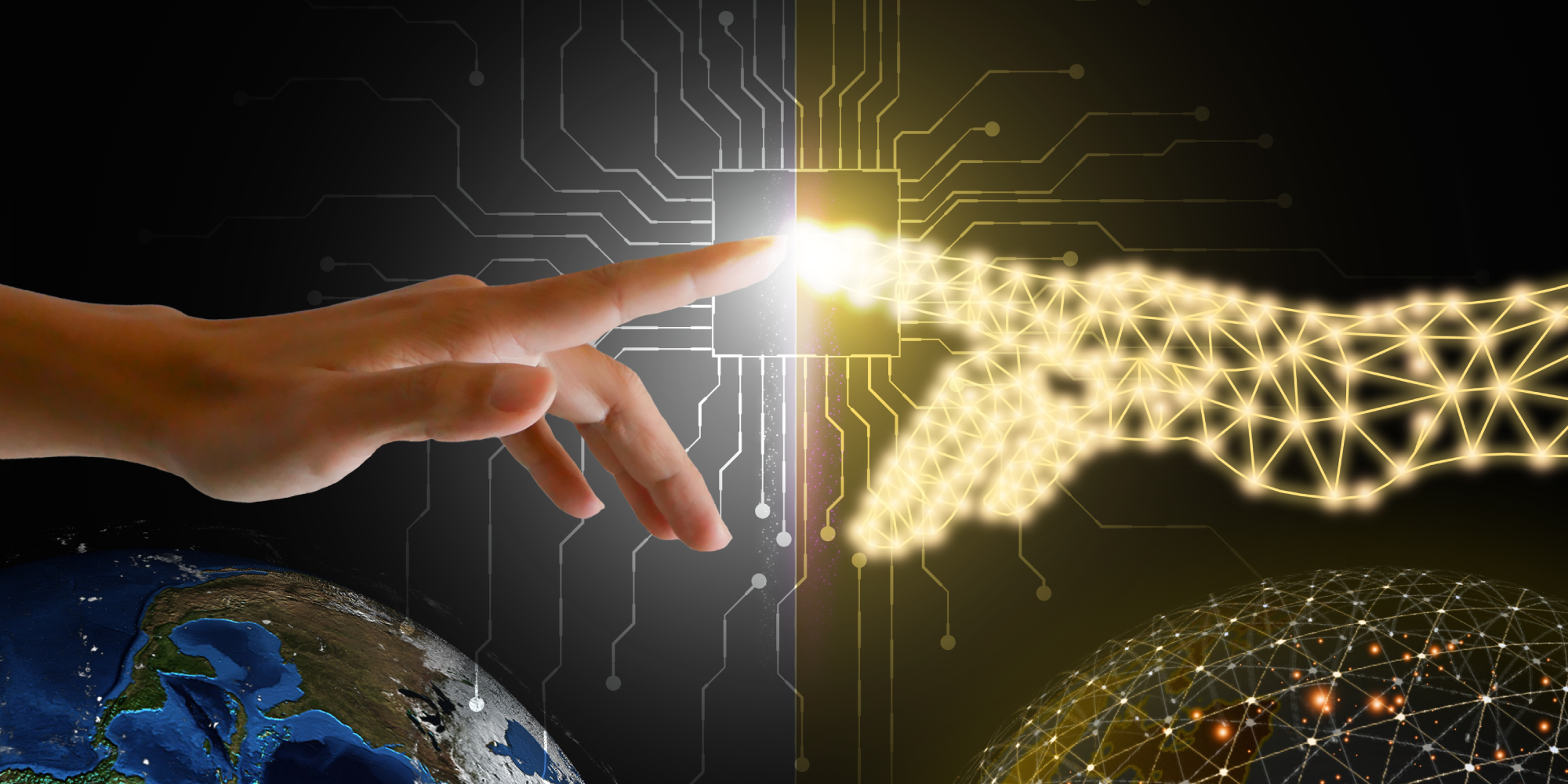
As industries become increasingly data-driven, organizations are searching for smarter ways to monitor equipment, improve efficiency, and predict future outcomes. One of the most promising innovations supporting this transformation is Digital Twin technology. A digital twin is a virtual representation of a physical object, system, or process that continuously receives real-time information from its real-world counterpart. By combining artificial intelligence, the Internet of Things (IoT), cloud computing, big data analytics, and advanced simulations, digital twins enable businesses to understand how assets perform throughout their lifecycle. This technology is helping organizations make faster decisions, reduce operational costs, and improve reliability across industries such as manufacturing, healthcare, construction, transportation, and energy.
What Is a Digital Twin?
A digital twin is a dynamic digital model that accurately reflects the behavior and condition of a real-world object or system. Unlike a static 3D model, a digital twin continuously updates itself using data collected from sensors and connected devices. This constant flow of information allows engineers, analysts, and operators to observe performance, detect abnormalities, and simulate future scenarios without interrupting physical operations. Digital twins can represent anything from a single machine or medical device to an entire factory, smart city, or transportation network, making them highly versatile tools for intelligent decision-making.
How Digital Twins Work
The operation of a digital twin begins with sensors embedded in physical equipment that collect information such as temperature, pressure, speed, vibration, location, and energy consumption. This data is transmitted through secure communication networks to cloud or edge computing platforms where advanced software processes and analyzes the information. Artificial intelligence and machine learning algorithms identify trends, recognize unusual behavior, and generate predictive insights. The digital twin continuously mirrors the current state of the physical asset, allowing organizations to test different scenarios, evaluate performance improvements, and anticipate future challenges before they occur.
Applications in Manufacturing
Manufacturing companies are among the largest adopters of digital twin technology. Engineers use digital twins to monitor production equipment in real time, detect early signs of wear, and schedule maintenance before machinery fails. Product designers can create virtual prototypes and simulate manufacturing processes before building physical products, reducing development costs and shortening production timelines. Factory managers also use digital twins to optimize workflows, improve quality control, and identify opportunities to increase operational efficiency while minimizing waste and downtime.
Transforming Healthcare
Healthcare organizations are increasingly exploring digital twins to improve patient care and medical research. Researchers can create virtual models of organs or physiological systems to better understand disease progression and evaluate treatment options. Medical device manufacturers use digital twins to monitor equipment performance and improve product reliability. Hospitals can also simulate patient flow, optimize resource allocation, and improve emergency response planning. As personalized medicine continues advancing, digital twins may help healthcare professionals develop treatment strategies tailored to individual patient characteristics.
Smart Cities and Infrastructure
Digital twins are playing an important role in the development of smart cities. Urban planners use virtual city models to simulate traffic patterns, evaluate infrastructure projects, and monitor public utilities. Transportation authorities can optimize traffic management systems by analyzing real-time information from connected vehicles and road sensors. Utility providers monitor water distribution, electricity networks, and environmental conditions through digital twins that help identify inefficiencies before they become serious problems. These intelligent simulations support more sustainable urban planning while improving the quality of public services.
Benefits for Businesses
Organizations adopting digital twin technology gain numerous competitive advantages. Continuous monitoring improves operational visibility and enables faster responses to equipment issues. Predictive maintenance reduces unexpected breakdowns and extends the lifespan of valuable assets. Virtual simulations minimize the risks associated with testing new products or operational changes because experiments can be performed digitally before implementation. Businesses also improve collaboration by providing engineers, designers, and managers with a shared, data-driven understanding of system performance. These advantages contribute to lower operating costs, greater efficiency, and improved decision-making.
Challenges and Future Development
Despite its significant potential, digital twin technology also presents several challenges. Building accurate virtual models requires high-quality sensor data, reliable communication networks, and sophisticated analytical software. Integrating information from multiple systems can be technically S8BET, especially for organizations operating legacy infrastructure. Cybersecurity is another major concern because digital twins depend on continuous data exchange between physical and virtual environments. As technology advances, improvements in artificial intelligence, cloud computing, edge computing, and communication networks will make digital twins more accurate, secure, and easier to deploy across industries.
Future Opportunities
The future of digital twins is expected to expand rapidly as artificial intelligence and connected technologies continue evolving. Future factories may operate with fully autonomous production systems optimized through real-time digital simulations. Autonomous vehicles could use digital twins to predict road conditions and improve navigation S8. Energy companies may optimize renewable power generation through intelligent grid simulations, while aerospace organizations could monitor aircraft performance throughout their operational lifecycle. Educational institutions and research laboratories are also expected to use digital twins to create realistic learning environments and accelerate scientific discoveries.
Conclusion
Digital twin technology is transforming the relationship between the physical and digital worlds by providing real-time virtual representations of objects, systems, and processes. Through the integration of artificial intelligence, IoT, cloud computing, machine learning, and advanced analytics, digital twins enable organizations to predict outcomes, optimize operations, and make smarter decisions with greater confidence. Their growing applications across manufacturing, healthcare, transportation, energy, and urban development demonstrate their ability to drive innovation and improve efficiency. Although challenges related to data integration and cybersecurity remain, continuous technological advancements are making digital twins increasingly accessible and valuable. As digital transformation accelerates worldwide, digital twins are expected to become one of the most influential technologies shaping the future of intelligent industries.
